
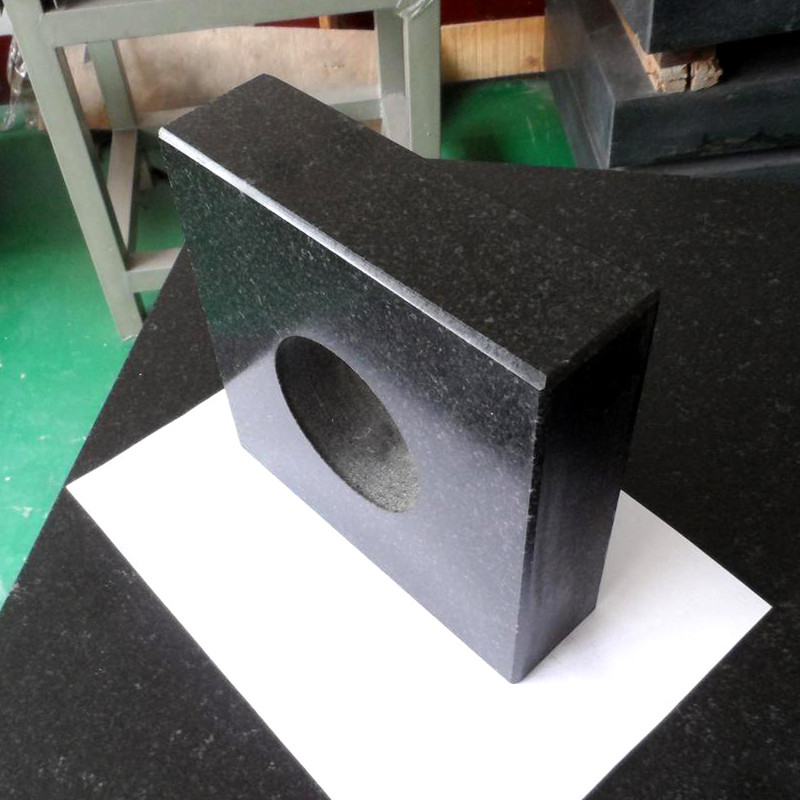
tempered glass process
Understanding the Pricing of 16% Gate Valves Gate valves are crucial components in various piping systems, functioning primarily as on-off control devices. They are particularly favored for their ability to provide a straight-line flow of fluid and minimal pressure drop. One specific type, the 16% gate valve, is designed to handle certain applications where specific performance characteristics are required. Understanding the pricing of these valves involves a multitude of factors, including material composition, size, manufacturer, and market demand. Material Composition The material from which a 16% gate valve is constructed significantly impacts its price. Common materials include cast iron, stainless steel, brass, and PVC, each offering different properties and price points. For instance, stainless steel gate valves tend to be priced higher due to their excellent corrosion resistance and durability, making them suitable for high-pressure applications. In contrast, cast iron valves might be more economical for simpler water or sewage applications. As such, material composition is one of the first considerations in determining the price of these valves. Size and Specifications Another critical factor affecting the price of a 16% gate valve is its size and specifications. Gate valves come in various diameters, and larger valves typically cost more due to the increased material requirements and complexity of manufacturing. Additionally, the pressure rating of a valve, which indicates its capacity to withstand internal pressure without failing, is also a determining factor. Higher pressure ratings may require more robust construction and thus raise the cost. Customers need to evaluate their specific needs—such as flow rate and pressure—when selecting the appropriate size and specification, as this will directly influence the valve's price. Manufacturer and Brand Reputation 16 gate valve price Brand reputation plays a significant role in the pricing of gate valves. Established manufacturers that have built a reputation for quality and reliability often price their products at a premium compared to lesser-known brands. This is because customers are willing to pay more for valves that are known to perform well and last longer, thereby reducing maintenance and replacement costs over time. Consequently, when considering the price of a 16% gate valve, it is prudent to consider the manufacturer's reputation as a reflection of quality. Market Demand and Competition Market demand and competition also heavily influence the pricing of gate valves. In times of high demand, prices may rise due to the principles of supply and demand. Conversely, when there is an oversupply of valves or a downturn in the construction industry, prices may stabilize or decrease. Seasonal fluctuations, industry trends, and regional market conditions can also impact pricing. For instance, if a specific type of project is prevalent in a region, such as pipeline installation or irrigation improvements, this could drive up demand for particular gate valves, leading to increased prices. Additional Costs and Considerations When assessing the price of a 16% gate valve, it is essential to consider additional costs that may be involved in the procurement process. These can include shipping and handling fees, taxes, and potential import duties, especially if sourcing valves from international manufacturers. Installation costs should also be factored in, as improperly installed valves can lead to leaks and system failures, necessitating further investment in repairs. Conclusion In conclusion, the pricing of 16% gate valves is influenced by a myriad of factors, including material composition, size, manufacturer reputation, market demand, and associated costs. For consumers and businesses alike, understanding these aspects is essential to make informed purchasing decisions that align with their operational needs and budget. As the valve market continues to evolve, staying updated on trends and innovations can also aid in securing the best possible deals while ensuring the selection of high-quality products. Ultimately, investing in a good gate valve can enhance system efficiency and longevity, proving a cost-effective decision in the long run.
about
tempered glass process
How to Turn Off the Main Water Valve A Step-by-Step Guide Every homeowner should know how to turn off the main water valve. Whether you are dealing with a plumbing emergency, performing maintenance, or preparing to leave your home for an extended period, being able to quickly and effectively shut off the water supply is crucial. This guide will walk you through the steps necessary to locate and turn off the main water valve in your home. Why You Need to Know Understanding how to turn off your main water valve can save you from significant damage and costly repairs. A burst pipe or a malfunctioning appliance can lead to flooding, mold growth, and structural damage. By shutting off the water supply, you can prevent such scenarios from escalating. Additionally, knowing how to turn off the water is essential before undertaking any plumbing repairs or renovations. Locating the Main Water Valve The first step is locating the main water valve in your home. The main water valve is typically found in one of the following areas 1. Basement or Crawl Space If your home has a basement or crawl space, the main water valve is often located near where the water line enters the home. Look for a round or oval-shaped valve connected to the water line. 2. Utility Room In homes without basements, the valve may be in a utility room, often near the water heater or other plumbing appliances. 3. Outside Some homes, particularly those in warmer climates, may have the main water valve located outside, usually near the property line. 4. Garage Check your garage, especially if it is attached to the house, as many water lines enter through this space. Identifying the Valve Type how to turn off main water valve Main water valves can be either a gate valve or a ball valve. A gate valve typically has a round wheel-type handle, while a ball valve usually has a lever handle. Being familiar with these types will help you identify how to operate them. 1. Gate Valve To turn off a gate valve, turn the handle clockwise. This may require a bit of force, as gate valves can become stiff over time. 2. Ball Valve A ball valve operates more smoothly; simply turn the lever perpendicular to the pipe to shut off the water. When the lever is parallel to the pipe, the water is on. Turning Off the Main Water Valve Once you’ve located and identified your main water valve, it’s time to turn it off. Follow these steps 1. Clear the Area Ensure that the surrounding area is clear of any obstructions. This precaution will allow you to maneuver easily and access the valve without any hindrances. 2. Turn Off the Valve For a gate valve, grasp the handle and turn it clockwise until it stops. If it feels stiff, apply consistent pressure rather than forcing it. For a ball valve, simply turn the lever until it is perpendicular to the pipe. 3. Check for Leaks After you have turned off the valve, it’s essential to check for any leaks in the system. Open a faucet in your home to relieve any remaining pressure in the pipes; this will also help confirm that the water supply is off. Final Notes Once you’ve successfully turned off the main water valve, you can proceed with your plumbing repairs or take measures to prevent water damage. Remember to periodically check the functionality of your valve, as valves can deteriorate over time. If you notice any issues, such as rust or difficulty in turning the valve, it may be wise to consult a plumber for maintenance or replacement. In conclusion, knowing how to turn off your main water valve is a simple yet essential skill for every homeowner. It’s an easy step that can provide peace of mind and protection against unexpected plumbing disasters. Take a few moments to locate your valve today, and you’ll be prepared for any future emergencies!
-

High quality industrial productsagement

High quality industrial products
View Details -

Meet the diverse needs of customers

Meet the diverse needs of customers
View Details -

Strict quality control

Strict quality control
View Details -

Top raw materials

Top raw materials
View Details -

Trusted supplier

Trusted supplier
View Details
Our application

news and information
Water Control Valve - Precision Flow Management Solutions
Understanding Water Control Valves A Key Component in Fluid Management Water control valves are esse
Valve Wholesale Quality Products & Competitive Prices
Valve wholesale is an integral part of numerous industries ranging from oil and gas to pharmaceutica

valvola di ritegno non slam
Valvole di Non Ritorno Un'Analisi Approfondita Le valvole di non ritorno, conosciute anche come valv
 English